How to Choose a Dune Buggy for the Dubai Desert
Choosing a dune buggy for the Dubai desert is less about chasing the boldest looking machine and more about matching the vehicle, route and safety setup to the day you want. The sand can be forgiving in one stretch and demanding in the next. A good choice makes the drive feel controlled from the start, rather than something you have to manage along the way.
The first step is to decide what kind of outing you want. A short desert safari with gentle stops suits a different vehicle than a longer ride over steep sand dune ridges. Think about whether the priority is scenery, photography, a steady pace for family members, or a more active off-road drive. That decision shapes every later choice, including power, seating, route and the level of guidance you should look for.
Set the route and pace before comparing vehicles
Start with the terrain rather than the vehicle. The Dubai desert includes firm tracks, soft sand, open areas and steep slopes. A route with frequent stops for photos or short walks calls for easy entry and exit, stable footing and enough space for bags. A route focused on dune climbing needs a vehicle with responsive power and a chassis built for off-road vehicle use.
Ask what kind of driving is planned. If the day includes a guided tour, the pace may be set by the group, and a balanced vehicle is usually more useful than an aggressive one. If the outing is private, the route can be adjusted around comfort and confidence. Be honest about experience. Soft sand can make even a capable machine feel heavy, so a newcomer often benefits from a vehicle that is easy to read and not overly sharp.
Weather also matters. Heat affects both people and machinery. A midday ride may feel harsher than an early morning or late afternoon one, even on the same route. When planning for children or older passengers, choose a pace with regular stops and avoid a schedule that keeps everyone in the sun for long periods.

Match size and seating to the group
Next, look at capacity. A two seat dune buggy can feel focused and simple, with less space for extras. A four seat option gives more room for companions, but it may feel different in soft sand and can require more care when turning or climbing. Extra seats are useful only if the vehicle still has enough power and balance for the route.
Check how passengers sit, not just how many seats are listed. Look for supportive seating, clear legroom and a layout that does not leave people bracing against each other on uneven ground. Storage is easy to overlook. Phones, water and small bags need a secure place that will not slide around or interfere with controls.
If children are joining, confirm the arrangements in advance. Age, height and seating rules can vary by vehicle type and operator. A seat that looks roomy in a picture may not be suitable on a bumpy descent. The right fit keeps everyone settled and lets the driver concentrate on the sand ahead.
Understand power, control and transmission
Power helps, but control matters more. A dune buggy with strong acceleration can be useful on climbs, yet it also asks for a steady hand in loose sand. The best choice is usually one that delivers power smoothly, with steering that feels predictable and brakes that inspire confidence. When comparing options, ask how the vehicle behaves on climbs, descents and side slopes, not just how fast it can go on flat ground.
Transmission type is another point to consider. Some drivers prefer an automatic setup because it reduces the work of changing gears while reading the terrain. Others like more involvement. Either way, the vehicle should be easy to operate at low speed, since much of dune driving is about momentum and line choice rather than top speed.
An all-terrain vehicle can look similar from a distance, but the driving position and control layout differ. A side by side style buggy usually has a steering wheel and pedals, which may feel more familiar to people used to driving. A quad style vehicle uses body movement and handlebars. Choose the format that fits the driver before focusing on paint, size or appearance.
Searches for polaris dune buggy dubai often begin with a model name, yet the practical question is how that machine fits the terrain and the group. A well matched vehicle should feel calm at the start and remain manageable as the sand changes.
Check safety gear and fit
Safety gear deserves close attention before any vehicle choice is settled. Helmets should fit properly, with straps fastened and no loose movement. Gloves can improve grip and reduce fatigue, while eye protection helps against dust and bright light. Closed toe footwear is sensible, and loose clothing should be avoided around controls.
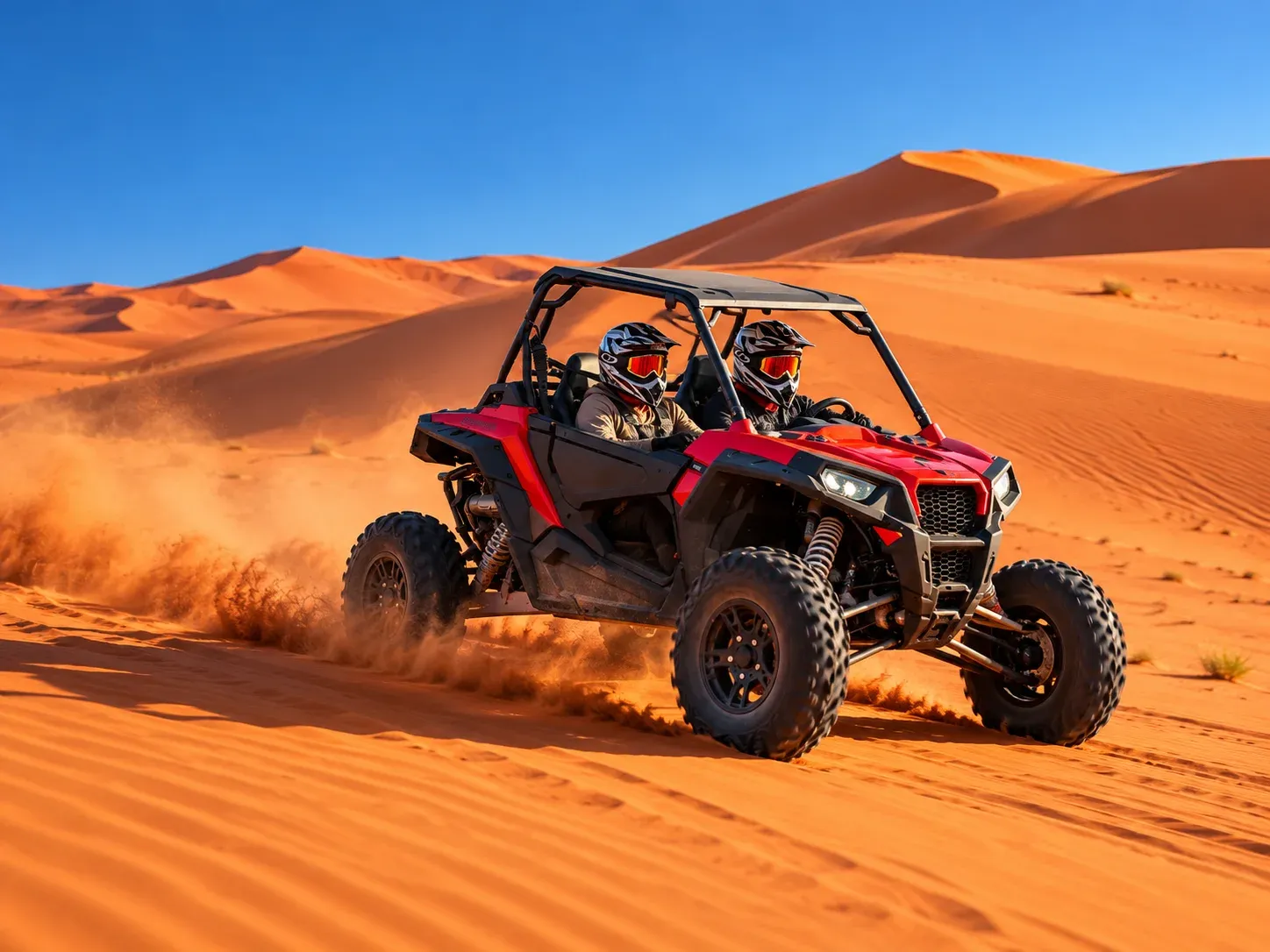
Ask how safety equipment is provided and whether sizes are available for the whole group. A helmet that is merely present is not enough if it sits too high or shifts on a rough section. If a passenger needs a different size, sort that out before departure rather than during a stop.
Roll protection, seat belts and door or net arrangements are also worth checking. On uneven ground, passengers need to stay secure without feeling trapped. The driver should have a clear view of the route and enough room to steer without contact from other passengers. If anything feels awkward before the vehicle moves, it is likely to feel worse on a sand dune.
Ask what guidance and route support are included
The desert rewards local knowledge. A route that looks open can lead into soft patches, hidden dips or crowded areas. A guided tour can help with line choice, pacing and stops, especially for drivers who are new to dune terrain. Clear communication matters as much as the vehicle itself.
Before booking, ask how the route is selected, how breaks are handled and what happens if conditions change. A responsible plan can be adjusted when wind, heat or traffic makes a section unsuitable. The aim should be a controlled outing, not a route followed regardless of conditions.
Group size can change the feel of the day. A larger group may move at a more general pace, with shared stops and set timings. A smaller outing can offer more flexibility, though it still needs a sensible route. Choose the structure that suits your tolerance for waiting, noise and shared attention.
Compare the total experience, not one feature
It is easy to choose by engine size or looks alone. A better method is to compare the whole experience: how the vehicle fits the group, how the route is planned, what safety gear is provided and how the driver is supported. A slightly less powerful buggy on a well chosen route can be more enjoyable than a large one used on terrain beyond the driver's comfort.
Read descriptions carefully and ask direct questions. Does the listed vehicle allow the number of people in your group? Are helmets available in suitable sizes? Is the outing paced for beginners or experienced drivers? Are stops built into the route? The answers reveal whether the day has been planned around people or simply around a vehicle type.
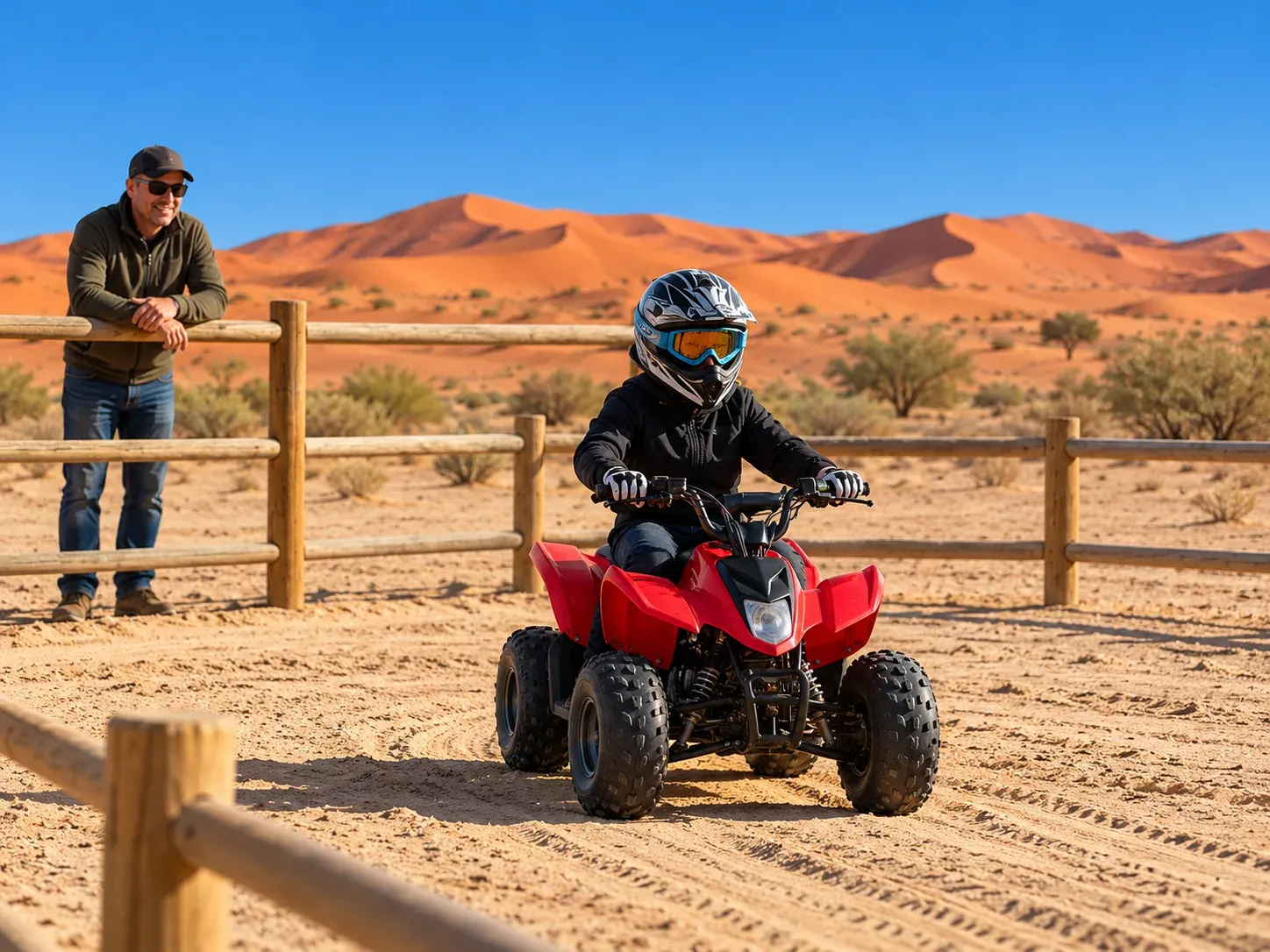
When a name such as polaris dune buggy dubai appears in your research, use it as a starting point, not the final decision. Compare the driving format, seating, terrain and support around the ride. The right choice should make the desert feel accessible, with enough challenge to be memorable and enough control to keep the day comfortable.
Make the final choice with a calm test of fit
Before committing, run through the decision in plain terms. Can every passenger sit comfortably? Is the driver confident with the controls? Does the route match the group's experience? Is safety gear available in the right sizes? Will the pace leave room for water, shade and breaks? If any answer is uncertain, ask for clarification rather than filling the gap with assumptions.
A dune buggy should expand your enjoyment of the Dubai desert, not turn the day into a test of nerve. Choose the vehicle that suits the terrain, the people and the pace. When those three line up, the details fade into the background and the drive itself becomes the point.